No One Is Talking About This With AI Agents: Who Will Own Them?
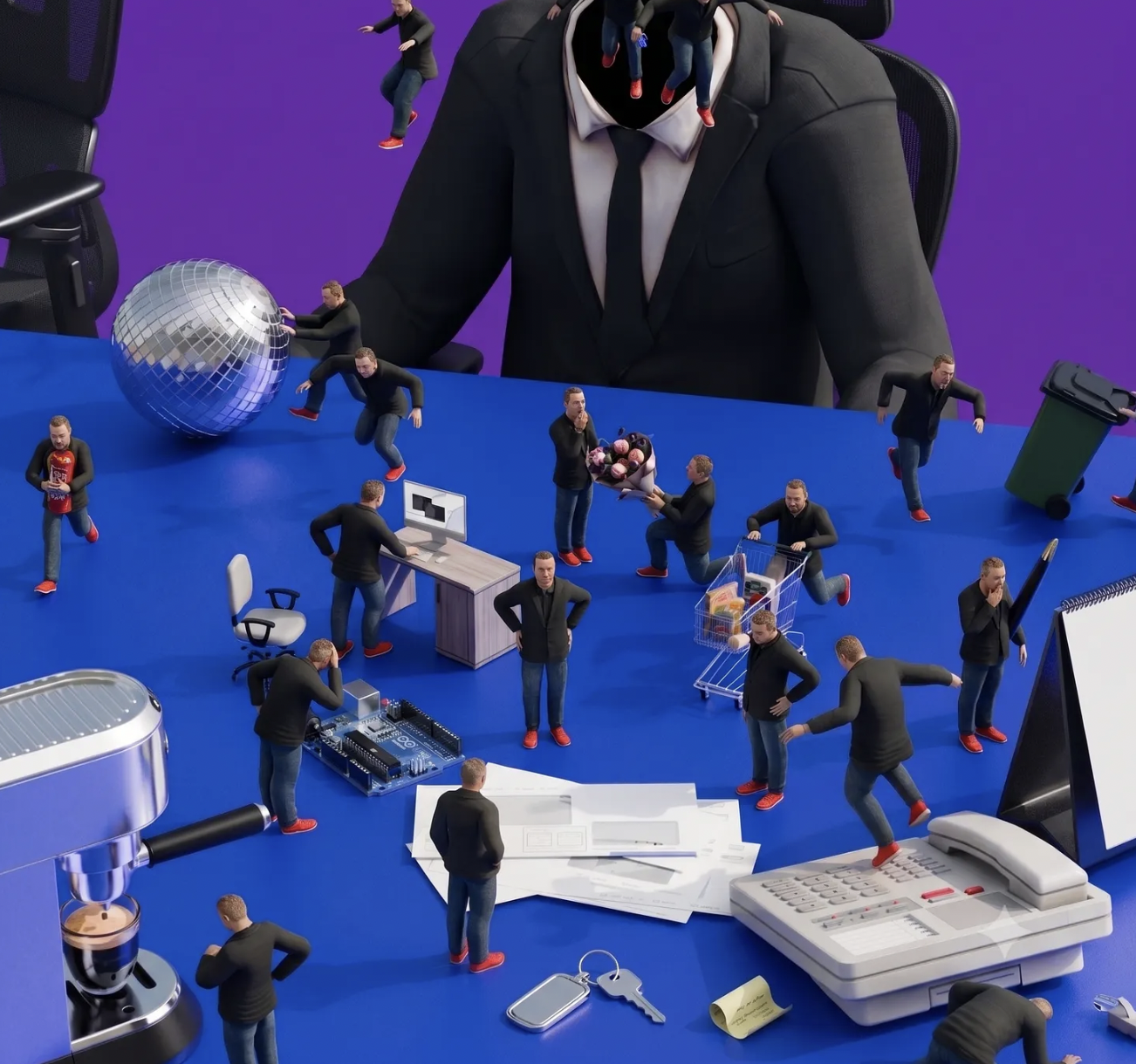
Smart employees will build their own AI agents—little digital twins they bring to the job and take with them when they leave. Just like they do with their credentials, skills and experience.
Imagine going into a job interview and saying:
“I have 7 agents I’ve trained to perform specific tasks in this role and industry. When you employ me, you’re not just getting me—you’re getting 7 times my productive capacity.”
Much of your job might involve guiding, managing and improving those agents. They become little virtual factories you bring to work with you.
I already have a dozen or so little Steves doing tasks for me every day. They research, summarise, write code, organise ideas, improve drafts and help me think through problems. They are primitive today, but they are getting better—and they are getting better specifically for me.
*AI Video of the week – Could your fav TV show ever comeback?…
Replicate yourself
Like everything in economics, it isn’t only value that matters. It is ownership and control.
We have a choice: Train AI for someone else or train our own. There are already open-source language models and tools that can be trained by you, on your knowledge, for your benefit. You can download one for free on Hugging Face.
If you build an agent entirely inside a company’s platform, trained on company systems and company data, the company will probably claim that it belongs to them. If you build it independently, on your own infrastructure and using your own accumulated knowledge, it could become a personal asset that grows with you throughout your career.
Your agents need to be more like qualifications you own and less like projects you completed for a company. You should be able to bring them to your next employer, where they become smarter, stronger and more valuable with every job they perform.
You could and should say: “If you employ me, you get access to my agents too.” A freelance tradie brigs their tools with them, why should people working in corproate environments?
This could make you dramatically more valuable. It could also help de-risk your future because you would own a productive asset that improves over time—an asset no employer can simply take away when your job ends.
AI & IP
But bringing your own AI—BYO AI—creates some difficult questions.
Should an employee receive additional compensation for bringing agents that generate value beyond their individual human capacity? Who owns the work those agents produce during company time? What happens when a personal agent improves because of the company’s data, customers and processes? Can the company retain a copy when the employee leaves? Can the employee take the improved agent with them?
Human beings already leave every job smarter and more experienced. Companies do not own the lessons inside our heads. But AI makes those lessons visible, replicable and commercially valuable. An agent can retain processes, repeat them endlessly and potentially transfer them to a competitor in seconds.
There will need to be boundaries between personal knowledge, company intellectual property, confidential data and the capabilities an agent develops while doing the work. Employment contracts may eventually contain specific clauses covering personally owned agents, just as they currently cover inventions, intellectual property and restraints of trade.
Already companies are making factory workers wear cameras on their heads to train AI’s and even Facebook (Meta) records every keystroke of the employees… My advice? – Make sure you own your likeness. Replicate your skills before someone else does it without asking.
I don’t know exactly where those boundaries should sit. But I do know this: the question of who owns the agents will be more important than the agents themselves.
Keep Thinking,
Steve.